



Not a member? Join Redmen Plus HERE!

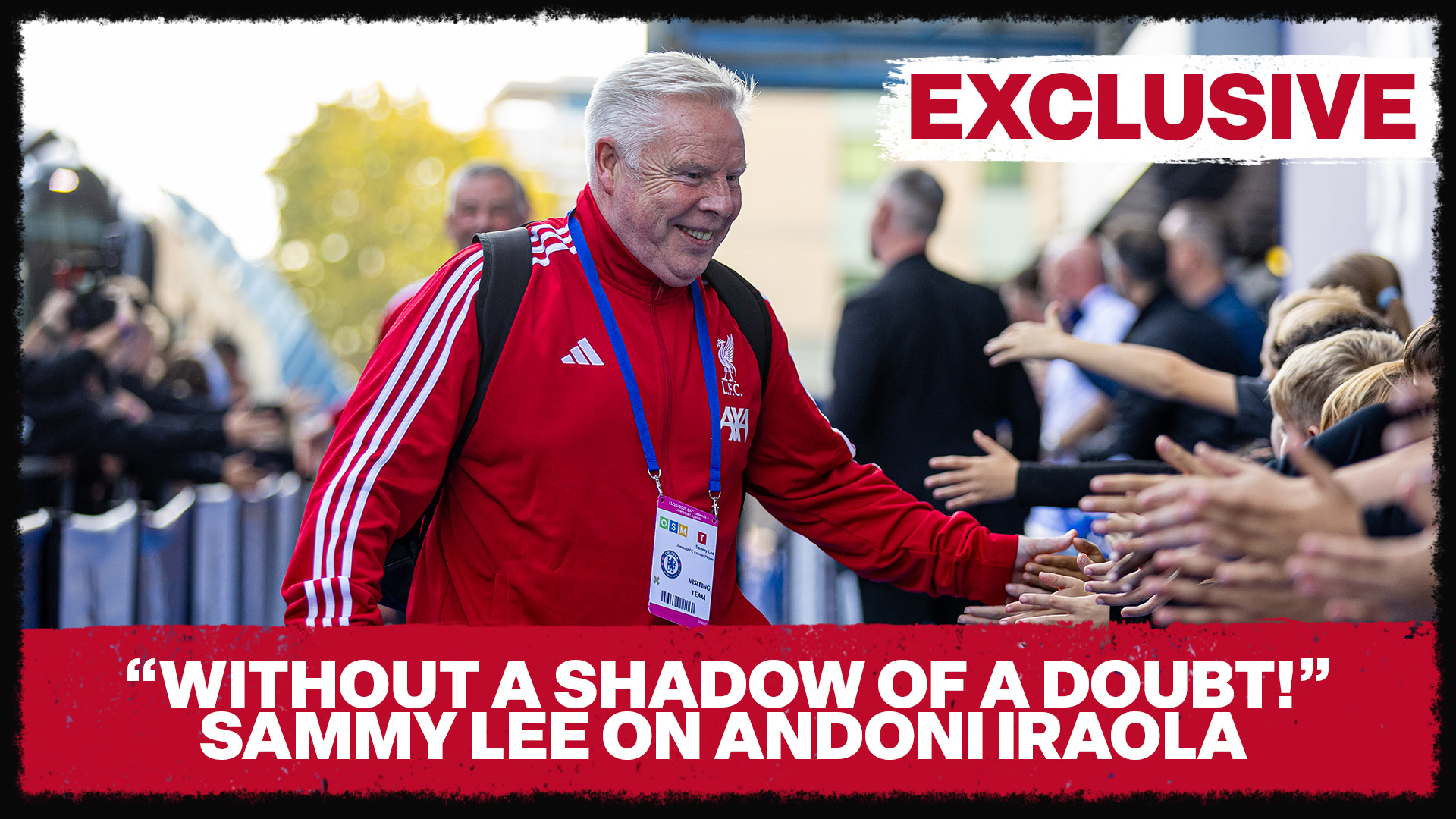
Exclusive: “Without A Shadow Of A Doubt!” – Liverpool Legend Sammy Lee On ‘Great Fit’ Andoni Iraola

Few can boast the career and, indeed, connection to Liverpool that former Reds midfielder Sammy Lee has. The Scouser has also gone on to work alongside some of football’s most respected managers and coached at the very highest level of the game, including stints back at his beloved Anfield under Rafa Benitez, Gerard Houllier and Sir Kenny Dalglish. 

Now, with the new Liverpool boss Andoni Iraola in post, Lee was in a unique position to discuss the appointment of the 43-year-old, having also spent two years in the Basque region when playing for Spanish La Liga side Osasuna. 

In this exclusive interview, Lee shares his thoughts with Dan on Iraola’s background, the fit at Liverpool, the coaching staff and the likelihood of success…

“HE GETS IT” – Liverpool Legend Sammy Lee On Andoni Iraola Appointment

On Iraola’s upbringing: “They’re a very unique club, and what a club, what a club. And I really, really liken the city of Bilbao to our great city here, it’s built around shipbuilding, it’s industrial, the river runs through it, it’s a fantastic place to be now, as it was then, there are fantastic people, very proud people, very proud people, they’re proud of everything they do, whether it be growing asparagus or the best wine, every village has their own speciality, and they’re so, so proud of what they do, and they love life, but they’re very hard-working, they’ve got a fantastic work ethic, and it was a great time for me to be over there, although I was in Pamplona, which, it’s not San Sebastian, it’s not Bilbao, but it’s very, very close to the border on the Basque area, if not the Basque area, a lot of them consider themselves Basque, so to be honest, I got a great insight into the lifestyle of people over there, as I said, they’re very, very hard-working, very humble, and very, very proud in all what they produce, whether it be asparagus, or whether it be footballers, or whether it be football coaches now, they’re fantastic people.”

On the importance of football in the region: “It is there as well [like a religion], without a shadow of a doubt, and as I said, it’s such a huge part of the community, huge part, and they’re very proud of what they do, and don’t forget Bilbao Athletic, they have to be Basque to play for Bilbao. They’re very similar, and I can’t stress the similarities between our two cities and our two cultures more than anything. I think the cultures are very, very similar.”

On Andoni Iraola’s personality: “I think there’s no ego about him, from what I can gather, he’s very humble, like the Basque people are. He played on the youth side with Arteta and with Xabi Alonso; he’s been brought up the right way. Funny enough, he started off as a midfielder. I was a centre midfielder but ended up being right, similar to myself, but again got converted to a right-back. I think he was the captain of that Athletic team, which, honestly, has so much similarity. We went over to San Mames, which was the cathedral over there; they used to call it the Cathedral San Mames, and we beat them 1-0; they hadn’t been beaten in their own stadium for however long it was, and a wonderful, wonderful team, but for us to go over there and beat them in their own cathedral was a fantastic result. And it dented their pride, because as we said before, they’re passionate about football, they’re very proud of the football teams. So, yeah, it’s a great fit, I think.”

On the young coaching culture in Spain: “Back in our day, what we used to do as players, if you wanted to go into coaching, you basically waited until you retired before you took on your badges, if you felt you needed your badges. But over there, I was amazed, that’s where I think I got the kernel of really wanting to get into coaching. Because some of my colleagues, although they were playing in La Liga, were taking the coaching badges. It was a great insight for me, it was a lightbulb moment for me, and I thought, “Wow.” And again, times have changed, and thankfully, here as well, in our country, some of the players who want to go into coaching, they do take the coaching badges while they’re playing, while they’re in their careers. Which I think is a great thing, because you’re in situ, you’ve got all the facilities that you need to do your sessions, and your coaching, whatever. So everything’s there for you, and it was a great insight for me, and I say a lightbulb moment, and all these young guys, and you see them now, as you say, he’s 43, he’s at Bournemouth for two, three seasons, wasn’t he? He had a team before that, if I’m not mistaken, but he did. So he’s been coaching for six, seven years, so it shows, it illustrates the fact that he did take his coaching badges before he finished playing. Yeah, most definitely, and he was well set in his mind in terms of what was next for him, and like I say, it’s taken him to where he is now, which is at Liverpool Football Club, and that coaching culture seems to be somewhat ingrained in Spanish football.”

Darwin Nunez Is PERFECT For Andoni Iraola’s Liverpool | Director Of Football Challenge

On the style required: “For me, it’s all about pace and tempo. Pace and tempo with the ball and without the ball. That’ll dictate whether you call the press, but certainly passing the ball quicker, touch, pass and move, pass and move. It’s always been the Liverpool way. Now, I know the game has changed immeasurably, but I can guarantee you the best ones are the ones who move the ball quickly, go and support quickly, close people down quickly, pressurise people quickly, are able to run for 96, 97 minutes, able to run at high intensity. It’s not just about putting kilometres in, it’s about high intensity as well, because you can run all day with a canter, but at the end of the day, it’s about putting pressure on. And again, I’m talking about pressure with the ball and without the ball. People always talk about the high press, the high-powered press, which Jürgen partly adopted and partly Arne didn’t. One thing for me is about moving the ball quickly. Pace and tempo in possession, and pace and tempo out of possession. That’s all I want to see. We’ve got quality throughout the team, but one thing I was crying out for was move the ball quicker, move the ball quicker. Particularly if you’re going against a low block, the best is to move the ball quicker, because when you move the ball quicker, gaps will appear, and that’s when you can penetrate.

On the importance of a connection with the fanbase: “He gets what we want. So I think because we are unique as a fan base, we’ll give him the chance. And I think already he’s engaged with the people, and that’s part of the job. That’s crucial. It’s crucial. And again, I’m not saying the previous guy didn’t; other people can decide that. But one thing’s for sure, Jürgen did. I’m hoping, because he understands the area, because he understands the city, because he understands the wants of the people, how he understands the demands of the people, how he understands the passion of the football club, then I think there’ll be a great little synergy there. And I just tend to think, for me, our fans being our fans,  our fans are unique. And that’s why I plead with them to get behind this guy, give him the chance. I think already they like what they’re hearing so far, and I think that’ll only get bigger and better as the training sessions go on, they go into pre-season, the press conference, it’s huge that he engages our fan base. Without a shadow of a doubt.”

On bringing in his coaching staff: “It’s huge. He has to have these people in place who can be amongst him all the time, different facets of the team, different facets of the training facility. Because the biggest thing about it, we go back to the great Bill Shankly and Jürgen Klopp, they knew everybody in the facility. I think that’s crucial as well, that he engages with everybody, because everybody, everybody in the facility, everybody in the club, has a part to play, an important part to play in our success. So he’ll get that. But he can’t do that all by himself; he needs these guys. And trust is a massive element.” 

On Thiago or James Milner returning in a coaching capacity: “Maybe I’m being selfish, but I would. I don’t know Thiago very well. I know he’s a fantastic player, and I loved watching him. But I think Milly would be a great addition, if you like the indigenous one, just to help the new ones coming in, to bed in if you like. Also, I think the respect, I’m not saying Thiago hasn’t, because he’s got full respect as well. And I know Milly from a player when I was with England on the 21s, he’s a very demanding professional, which is great for me, because he tested me all the time, which I loved. And as long as you had the answers for him, it’d be great. I’d love something like that. I’d love something like Thiago in, but I’d certainly love something like Milly in because, as I say, he drives standards on and off the pitch. 

On the potential success: “I am so pleased with this signing, because for all the reasons we said before, I think he gets the ethos of the club, I think he gets the ethos of the city, and I think he gets the people, and that for me is a great starting point moving forward.”


Posted in Written, Written

Where Does Rio Ngumoha’s Future Lie Amidst Bayern Munich Interest? | Journo Insight w/Paul Gorst

Ste is joined by the Liverpool Echo’s Paul Gorst to discuss Rio Ngumoha’s Liverpool future amid interest from Bayern Munich.

Posted in Journo Insight, Podcast, Redmen Plus Content, Video

Yan Diomande Contract Offer CONFIRMED By Fabrizio Romano! | Liverpool Transfer News Update

Ste is here with all the latest Liverpool news, including Fabrizio Romano confirming that the Reds are “offering important money’ in contract talks with RB Leipzig winger Yan Diomande. We also have an update on Alexis Mac Allister and the potential signing of Lutsharel Geertruida.

Posted in Podcast, Reds News Roundup, Reds News Roundup, Reds Transfer Roundup, Reds Transfer Roundup, Video

Clubs ‘Looking At’ Alexis Mac Allister | Redmen Bitesize

Dan is here with the latest Liverpool news as Alexis Mac Allister faces an uncertain future at Anfield.

Posted in Bitesize

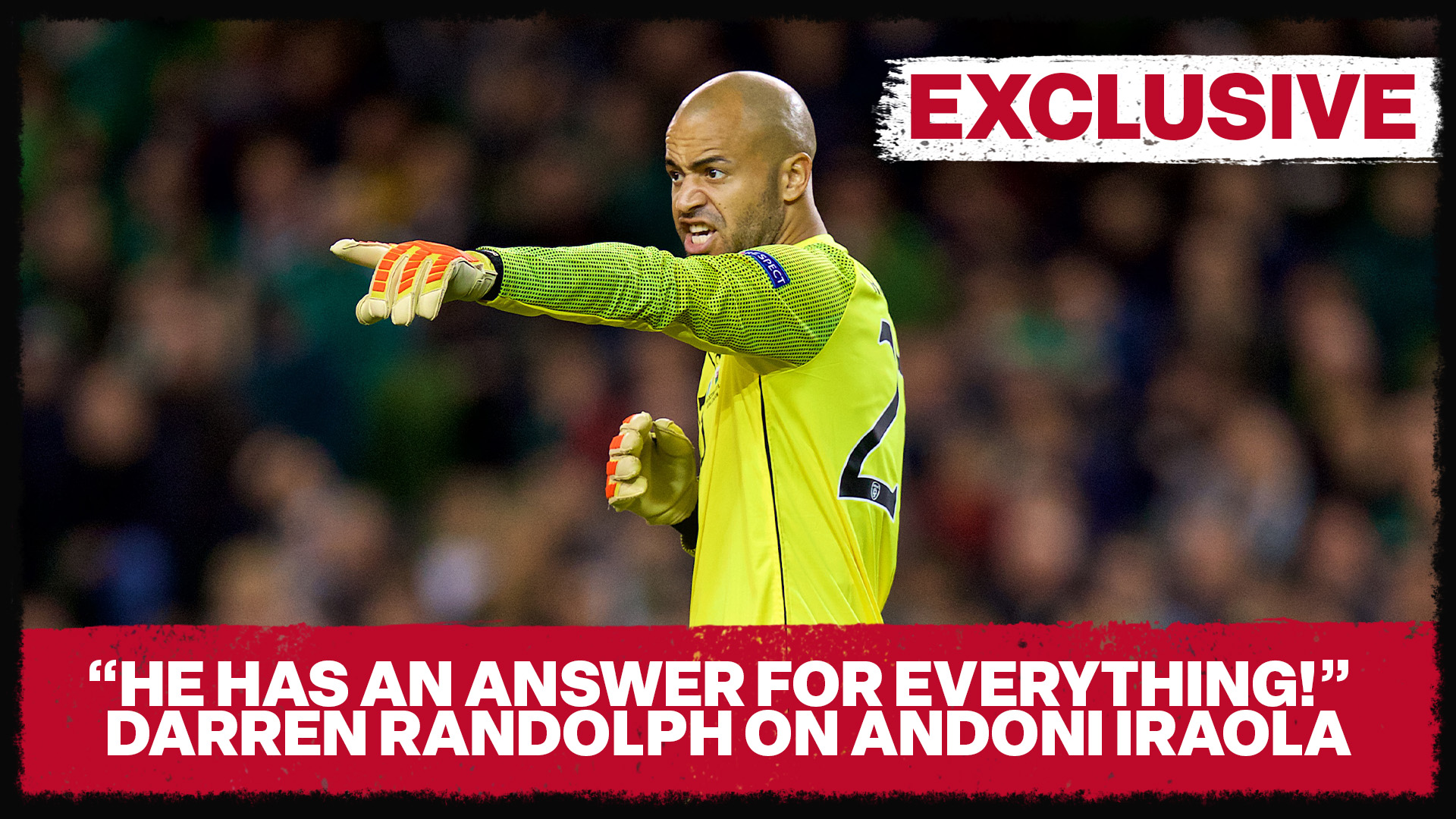
Exclusive: “He Has An Answer For Everything!” – Darren Randolph On ‘Scary’ Andoni Iraola Potential

When new Liverpool manager Andoni Iraola arrived in the Premier League, little was known of the Basque manager’s coaching credentials, and in truth, even elements of the former Athletic Bilbao right-back’s playing career were relatively mysterious. However, fast forward to today, and the name is now an established one and is well on its way to becoming a household name in the red half of Merseyside at least. 

Few people are better placed to assess Iraola’s impact than former Republic of Ireland goalkeeper Darren Randolph. The experienced stopper witnessed first-hand the standards, methods and mentality that drove Bournemouth’s rise under the former Rayo Vallecano manager. From the training ground to the touchline, Randolph has seen what makes Iraola one of the most highly regarded coaches in European football. 

In this exclusive interview, Randolph reflects on working under Iraola, the culture he has created at Bournemouth, and the qualities that set him apart from his managerial peers. He also offers a unique insight into the demands of Iraola’s playing philosophy, his attention to detail, and why the 43-year-old has quickly established himself as one of the Premier League’s most influential coaches…

I Played Under Andoni Iraola — Here’s What Liverpool Players Are About to Experience!

On first impressions: “I’ll be honest, at first I wasn’t too sure, wasn’t too sure of him, wasn’t too sure of his staff, how it was all going to go, from the first couple of days, but after about two, three weeks, I thought, this guy, he knows what he’s doing, he has his own philosophy, his way of playing and he’s gonna stick to that and he’s gonna find people that will fit into the way that he wants to play. He’s a great guy, there’s no like ego about him, he doesn’t really fall out with people, he just has a weird knack of just kind of getting everybody on board and then if you, if you’re on board and you know what he wants, if you don’t, he doesn’t even like cast people aside, you’re just kind of not involved and you go and kind of do your own thing, but yeah, pretty quickly, you got to understand kind of who he was, what he’s about and how he wants to play and either you buy in or, it’s not even like a buy-in or you’re out the door, it’s just you buy in now and I’ll deal with the rest later on.”

On his methods: “I’ve worked with a lot of managers that have been around in the game for ages or are quite new to the game, it just has a knack of getting everybody on board and getting his ideas across, so you know exactly what he expects, there’s no, I mean, the big clubs, even a club like Liverpool, I remember speaking to like Kelleher and Adrian and even Andy Lonergan, all goalkeepers by the way, there’s no days off, like when Klopp was in, there’s no days off where you might get one day off and he reluctantly gives you a day off because every day is, we’re working towards how we want to play or how we need to press against, you know, whatever team is coming up. He and his staff, you know, their attention to detail is scary. He just understands everything, and he just sees like four or five situations that he’ll set up in one. Still, in the setup for, if you set up for one situation, you can then react to three different ones, do you know what I mean? Everyone needs to be switched on, and everyone is very big on maybe giving players the responsibility, so he’ll set up in a certain way, but everybody will know their jobs, and everybody might have three to four to five things to do, depending on what happens in the game. And like I said, it’s very, it’s special, there’s only very kind of few managers that can do that and work you as hard as he does and keep everybody on side and you see with Bournemouth like how it’s worked, the players that have been brought in and then also the players that have been sold on because they’ve done so well, you know, under him in a season. So I think for Liverpool fans, like be excited, from having like been around and playing and played against like Klopp’s teams, it’s very similar. It’s like in possession, it’s high tempo, you might see people just running like everywhere and there’s lots of interchanging but you’re still set up in a way that when you lose the ball, you’re ready to press and you’ll press high, the press is very aggressive and yeah, you just overwhelm, he seems to be able to overwhelm teams and swamp teams and I don’t know, it just works, somehow it just works, that’s why he’s a manager and I’m not, it just makes sense.”

On pre-season: “It was in Marbella. I think we were there for 10 days, I think 10 days. From speaking to people like Adrian, Kelleher and Lonners about the club, I know kind of roughly how they worked, how they trained. Don’t know about Slot, how he worked, but with Iraola coming in, it could be a shock to the system, depending on how they’ve just been training. But it’s intense. You know, you can have anywhere from two to three to four sessions a day, whether it’s on the pitch, in the gym, in the meeting room. It’s quite a lot of information to take on at first, but when you get it, it becomes easier. And then you’re so conditioned to training that if you have two sessions in a day, you’re like, it’s fine. You just get through it. And obviously, he built that kind of squad at Bournemouth. He’d do the same at Liverpool. Like you’re going to have the players where if he changes people, it might be a like-for-like. And then if it is like a young player, they’ll know exactly what to do when they come on. People will get fit very quickly. There’s a lot of running, just a lot of work basically. But once you, once you nail down the basics, it’s almost, it’s weird. It almost becomes easier. He is, he’s like in the middle of the pitch in amongst the patterns of play, talking to players individually, like, you know, don’t go now. Yes, go now. Like Darren, come in here, Dan, get back in here, Dan, go down. So he’s talking to you as it’s going, as it’s going on to help you understand exactly what he wants. And he’s, he’s right in there, you’ll see him on the sideline. He can get very animated. He’ll be kicking imaginary footballs. He’ll be sticking his leg out to block imaginary shots. Literally all he wants is for people to run as hard as they can, as quickly as they can and do what he asks. And if you last an hour, not a problem, you’ve done your job, come off, someone else will come on, and they only have, you know, half an hour to sprint and run around. And it’s no coincidence, you know, some of the players that were brought into Bournemouth that played, they were, they were only there for a season, or if they’d been there for the three years he’s been there, they’re now moving on to other clubs, or they may have got a call up to the national teams. He just, he’s an individual that somehow you just like, and you want to see him do well. I think even if he was horrible to me, I probably would have left and thought, ‘You know what? I like you. I still want to see you do well.'”

On man-management: “I kind of knew my role going into Bournemouth. I was there as, you know, second or third choice, being an experienced kind of player. But also, that’s what I saw myself as. I wasn’t expecting to go there and play every week. At that time, I was 36, but Neto had been there. He played a few years with Mark Travers, a younger Irish guy who was mean, and there were a couple of other keepers a bit younger than me. So I kind of knew my place, but you still want to go in and train hard and work and think, you know, if something happens, I’m ready. And I want, like, if something happens, I want you to have faith in me to play. I had, you know, several conversations with him. I kind of said to him what I expected. He said to me what he expected. I’ve had a lot of managers. I can name on one hand, you know, probably the managers that I would want to play for to do well, he was one of them. And I just thought, well, you know what, if I’m not going to play, I’m at least going to show up every day and at least train well and drive, like, try and drive the standards, whether I’m involved in, like, match play, team play stuff, or we’re doing shooting or there’s defending and I’m chucked in to a goal or whatever else, like, you want to try and add something to the team, the squad.”

On the fit at Liverpool: “Andoni working with Richard Hughes, again, who’s a brilliant man, like a top man. Those two working back together again at a club the size of Liverpool with the players that are kind of at their disposal. You’ll see an improvement in the first season, but wait till season two, three, and it could be, it could be unbelievable. You could have, like, literally Klopp time back, do you know what I mean? I’m just thinking of like what he did at, what he did at Bournemouth. Imagine what he could do at Liverpool. He could be a massive name. As I said, you look at the players he’s grown up with when he was playing in, he said to me one time when he played at New York, he was in the team at New York with Pirlo, Lampard, and Viera as manager. Like he’s been there, he’s been there, done it. He knows exactly what he wants. So the potential and the excitement from having worked with him to what it could be in a big club, it’s scary.”

“HE GETS IT” – Liverpool Legend Sammy Lee On Andoni Iraola Appointment

On his style: “The way that he works and the build-up to games, he almost has an answer for a response to everything. It just depends if the players can carry out what he’s asked them to do. With Bournemouth, there’s been plenty of results and performances where people are like, “Wow, how have they done that?” But he has the players there that are young enough, hungry enough, with a point to prove. And then all it takes is like a game where he says, right, this is our plan. I want you all to do this. Once the players do this and they see it works, they’re like, Jesus Christ, this works. And then the belief, the belief comes like, that’s what I said earlier, like the players, you need to believe and buy into him and his philosophy and what he’s asking you to do. If you do what he asks you to do, it’s going to go well. Like, he’s not a man that people are going to say, I hate him. He’s not a man that people are going to say, like, he was rude to me. He’s got an ego. His man-management skills are terrible. Like his man management, again, maybe it comes from him being a player. I know they say some of the best managers are failed players, you know, whatever else. But maybe it’s because he was a player. He just has this knack of getting everybody on board. And you’ll see very quickly in games, and it may be different with Liverpool, because I guess if you’re a Bournemouth player, he’s going to make people press aggressively. I think there was only one game I remember where he went away from his pressing. I think it was Man City. We lost the game. And he said to one of the assistants, never, ever let me do that again. Like, I’m going to stick to what I believe in. Because once he kind of went, I think because they just couldn’t, they were struggling to get the ball back, he went against his principles and what he taught, and he went to Tommy Elphick, they’d never let me do that again. I’m sticking to what I want to do. And again, all due respect to, you know, Bournemouth and the players there, as I said, great players that will go on from Bournemouth to kind of almost bigger and better things. But if he’s playing that same way with Liverpool against Man City, I don’t think he’d ever feel the need to maybe go away from what he believes in. He just has a knack for getting everyone to believe in the same thing, in the same kind of goals and what they want to achieve. So, yeah. And as you said, once you’ve seen that work and you’ve got the result off the back of it and you’ve managed to execute his plan, that then instils a belief amongst the group of say, this guy is onto something. And if we just follow his lead, the likelihood is we’ll be successful as a team and individually, as you’ve seen, the results definitely followed suit as well. Even when he came in, there were ex-players who were there, so they were always very vocal. But again, when he came in, he knew the likes of Elphick and Cooper would come in and be on his side. But again, he would delegate different stuff to them for them to relay. He lets everyone have their say in the changing room. Everything is up on the TV screens, running through set pieces and patterns of play. That’s on the screens, on the whiteboards, there’s still stuff up there. Again, he’ll have his team talks, and he’ll give you maybe three to five basic things he’s after in the game. And if you do those three to five basic things while being switched on to the set pieces and everything else, you’ll win the game. He’s that detailed and that meticulous in what he does.”

Posted in Written, Written

How Liverpool’s Recruitment CHANGES with Iraola in the Dugout | The Deep Dive

Chris and Josh are back with a new episode of The Deep Dive, this time they take a look at how Liverpool’s recruitment strategy could change with Andoni Iraola in the dugout.

Posted in Redmen Plus Content, The Deep Dive, The Deep Dive, The Deep Dive, Video

Exclusive Interview: Sammy Lee Talks Andoni Iraola Appointment

Dan spoke to Liverpool legend Sammy Lee about the appointment of Andoni Iraola to get a better understanding of the new head coach’s background, the importance of his coaching staff and more.

Posted in Exclusive Interview, Exclusive Interview, Iraola Content, Podcast, Redmen Plus Content, Video

£80M ASKING PRICE Set For Alex Scott | Liverpool Transfer News Update

Chris is here with all the latest Liverpool news, including Bournemouth setting an £80M asking price on Liverpool target Alex Scott, as well as the latest on Curtis Jones and LFC’s released/new contract list.

Posted in Podcast, Reds News Roundup, Reds News Roundup, Reds Transfer Roundup, Reds Transfer Roundup

Liverpool Will Need to Pay £80m to Sign Alex Scott! | Redmen Bitesize

Join Ste for Redmen Bitesize, where he discusses the massive asking price Bournemouth have set for Alex Scott, plus much more!

Posted in Bitesize, Podcast

Darwin Nunez Is PERFECT For Andoni Iraola’s Liverpool | Director Of Football Challenge

Dan Clubbe takes the hot seat in the third episode of our Director of Football challenge as he tries to rebuild Liverpool’s squad for new head coach Andoni Iraola, with a €175 million budget.

Posted in Featured Video, Features, Free Podcast, Free Video, Iraola Content, Podcast, Video

Andoni Iraola: The Goalkeeper’s Perspective | Expert Insight w/Darren Randolph

Dan is joined by former Ireland and Bournemouth goalkeeper Darren Randolph to discuss his time working with new Liverpool head coach Andoni Iraola during his time on the south coast and what he expects from his goalkeepers.

Posted in Expert Insight, Iraola Content, Podcast, Redmen Plus Content, Video

Why Football Culture Inspires Students to Learn English Language and Slang

Why football culture inspires students to learn English language and slang

Football is more than a sport. It is a global culture full of emotions, songs, stories, debates, jokes, and strong community feelings. For many students, football becomes one of the easiest and most exciting reasons to learn English. They may start by watching matches, following favorite players, reading club news, or joining online fan discussions. Over time, they notice that English helps them understand more than scores and headlines. It helps them feel closer to the game.

English is everywhere in modern football culture. Match interviews, fan comments, social media posts, football podcasts, YouTube analysis, chants, memes, and transfer news often use English. Students who love football naturally want to understand these messages. This makes language learning feel less like a school task and more like a personal interest.

Football Encourages Students to Speak and Write

Football gives students something to say. This is important because many learners stay quiet in English classes because they fear mistakes. When the topic is football, they often feel more comfortable. They already have opinions. They know which team played better, which player impressed them, and which decision felt unfair.

That is why football often becomes a strong essay topic for students, because it lets them connect language practice with real emotions and clear opinions. Still, turning passion into a well-structured argument can be difficult, especially when students must follow academic rules, so learners may use PapersOwl for professional writing, editing support, and examples that help them organize ideas more confidently. With the right help, a football essay can become more than a fan reaction; it can become a clear piece of writing with evidence, structure, and personal voice.

Teachers can also use this interest in many ways. Students can describe a match, debate the best player, write a match report, create a player profile, or discuss football traditions in different countries. These tasks develop speaking and writing skills without feeling too formal.

Football debates are especially useful because they teach students how to support opinions. Instead of simply saying, “I like this player,” students can explain why. They can talk about speed, leadership, passing, teamwork, confidence, or consistency. This builds stronger communication skills.

Writing about football also helps students practice different styles. A match report needs clear facts. A fan blog can be more emotional. A player biography needs structure. A debate essay needs reasons and examples. One topic can support many types of language practice.

Football Makes English Feel Useful

Many students struggle with English when it feels too formal or disconnected from real life. Grammar rules, textbook dialogues, and long vocabulary lists can become tiring. Football changes this feeling because it gives students a clear reason to learn. They want to understand what a coach says after a match. They want to read comments from fans around the world. They want to follow news about injuries, transfers, tactics, and big rivalries.

This creates real motivation. A student may not want to memorize random words, but they may quickly remember words like “line-up,” “equalizer,” “injury time,” “clean sheet,” “pressing,” or “underdog.” These words are connected to emotion and experience. When students hear them during a match, the meaning becomes easier to remember.

Football also gives students repeated exposure to English. They see the same phrases again and again in match reports, subtitles, interviews, and fan posts. Repetition is one of the strongest ways to learn a language, but football makes it feel natural rather than forced.

Slang Helps Students Understand Real Communication

Textbook English is useful, but it is not always enough. Real people often speak with slang, humor, shortcuts, and emotional expressions. Football culture is full of this kind of language. Fans do not always say, “The team played very well today.” They may say, “They smashed it,” “What a game,” “That goal was insane,” or “The keeper saved us.”

Learning slang helps students understand the tone behind the words. It shows whether people are excited, angry, sarcastic, disappointed, or proud. This is important because language is not only about meaning. It is also about attitude.

Football slang is especially memorable because it is colorful and emotional. Students may hear phrases like “park the bus,” which means a team is defending very deeply. They may see fans write “bottled it,” meaning a team failed under pressure. They may hear “top bins,” which describes a shot into the top corner of the goal. These phrases make English feel alive.

For students, slang can also make communication more confident. When they understand informal football language, they can join online discussions without feeling lost. They can comment, joke, react, and share opinions with other fans.

Football Builds a Global Learning Community

One of the most powerful parts of football culture is its international nature. A student in one country can support the same club as someone on another continent. They may never meet in person, but they can still discuss the same match, celebrate the same goal, or complain about the same referee decision.

English often becomes the shared language in these spaces. On social media, forums, fan pages, and comment sections, students meet people from different backgrounds. They read many writing styles, accents, and opinions. This helps them see English as a living global language, not just a subject in school.

These conversations also teach students how people really communicate. They learn short reactions, emotional phrases, polite disagreement, playful teasing, and common online expressions. They may write comments like “What a finish,” “We need a better midfield,” or “That red card changed everything.” Each small interaction becomes language practice.

This kind of learning feels social. Students are not only studying words. They are using English to belong to a community. That sense of belonging can make learning much more enjoyable.

Match Commentary Improves Listening Skills

Football commentary is one of the best ways for students to train listening skills. Commentators speak with energy, speed, and emotion. They describe actions as they happen, so students can connect words with visuals. When the commentator says “he crosses the ball,” students see the player crossing. When they hear “a header,” “a tackle,” or “a counterattack,” the screen helps explain the meaning.

This visual support makes listening easier. Students do not need to understand every word at first. They can guess meaning from the match situation. Over time, they begin to recognize common phrases and patterns.

Post-match interviews also help students hear different accents. Football players and coaches often come from many countries, so their English can sound different. This teaches students that English does not have only one correct sound. It can be spoken in many accents and still be clear.

Listening to football content can also improve pronunciation. Students hear how words are stressed, shortened, and connected in natural speech. Phrases like “great ball,” “good save,” or “chance wasted” become familiar because they are repeated often.

Football Content Makes Reading More Interesting

Students often avoid reading in English because the material feels boring or too difficult. Football gives them topics they already care about. Reading becomes easier when the subject is exciting. A student may happily read a long article about a favorite player, even if they would not read a standard classroom text with the same number of words.

Football articles also introduce many useful reading skills. Students learn how to understand headlines, follow arguments, compare opinions, and identify key details. Transfer news teaches them words linked to rumors, contracts, money, and negotiations. Tactical analysis teaches them words linked to movement, strategy, pressure, and teamwork. Player profiles teach them descriptive language about personality, discipline, talent, and progress.

Even short football posts can be useful. A meme, caption, or fan reaction may contain slang, humor, or cultural references. Students learn not only vocabulary but also context. They begin to understand why certain phrases are funny or emotional.

Slang Connects Language With Identity

Students often enjoy slang because it feels personal and modern. It helps them sound less like a textbook and more like real speakers. Football slang can also give students a sense of identity as fans. Knowing the right phrases makes them feel included.

For example, saying “That was a worldie” after an amazing goal feels very different from saying “That was a very good goal.” Both phrases communicate praise, but the slang version carries more excitement and cultural flavor. It shows that the speaker understands football talk, not just English grammar.

Still, students should learn when to use slang. Informal phrases are great for friends, fan chats, and social media, but they may not fit academic writing or formal presentations. Football culture can teach this difference. Students learn that language changes depending on situation, audience, and purpose.

Conclusion

Football culture inspires students to learn English because it connects language with passion. It turns vocabulary into emotion, listening practice into entertainment, and reading into discovery. Students do not learn only because they have to pass exams. They learn because English helps them enjoy the sport more deeply.

Through matches, interviews, chants, memes, fan debates, and football slang, students experience English in a real and exciting way. They see how language works outside the classroom. They learn formal words, informal expressions, humor, emotion, and global communication.

For many students, football is not just a game they watch. It becomes a doorway into the English language and slang. It gives them confidence, curiosity, and a reason to keep learning.

Posted in Written, Written

Student Perspectives on Balancing Football Fandom With Academic Deadlines Weekly

Student perspectives on balancing football fandom with academic deadlines weekly

Football is more than a weekend hobby for many students. It is part of their social life, family culture, personal identity, and weekly routine. A big match can change the mood of an entire day. A win can make Monday feel lighter, while a painful loss can stay in the mind longer than expected.

At the same time, student life comes with deadlines that do not care about match schedules. Essays, lab reports, readings, presentations, quizzes, and group projects often arrive every week. This creates a real challenge for students who love football. They want to follow their team, enjoy matches with friends, and stay active in football conversations, but they also need to protect their grades.

Balancing football fandom with academic deadlines is not always easy. Still, many students find smart ways to enjoy the game without letting it control their schedule.

When Match Days Clash With Deadlines

The biggest problem appears when football schedules overlap with academic tasks. A student may have an essay due on Monday, a match on Sunday evening, and a group meeting earlier that day. In theory, there is enough time. In reality, the weekend disappears quickly.

Many students underestimate how much time football fandom takes. It is not only the match itself. There is pre-match discussion, team news, travel to a viewing place, half-time reactions, post-match analysis, highlights, interviews, and social media debates. A two-hour game can easily become a five-hour event.

This is where academic deadlines become stressful. Students may tell themselves they will study after the match, but that plan does not always work. If the game ends late, they feel tired. If their team loses, they feel distracted. If the match is exciting, they keep reading reactions online.

From a student perspective, the conflict is often internal. Students do not want to miss the match because it feels like part of their weekly identity, but they also know unfinished coursework will not disappear after the final whistle. In that situation, getting professional academic support matters, and using assistance through https://edubirdie.com/do-my-assignment can help students organise priorities, understand requirements, and avoid last-minute panic. It gives them a clearer path when deadlines, stress, and football plans all collide. Studying during a big match can feel frustrating, but watching it with an unfinished assignment in the background can feel even heavier. The right help can make the whole week feel more manageable.

Football as a Weekly Emotional Escape

For many students, football gives structure to the week. Lectures, part-time work, and assignments can make student life feel repetitive. A match offers something different. It brings excitement, emotion, and a sense of belonging.

Students often describe football as a break from academic pressure. Watching a match can feel like stepping away from stress for two hours. It allows the mind to focus on something passionate instead of grades, deadlines, or future plans.

This emotional escape matters. University life can be lonely, especially for students living away from home. Supporting a football club can create instant connection. Students join group chats, watch games in common rooms, visit pubs, play fantasy football, or debate lineups after class. These moments help them feel part of a community.

However, football can also become emotionally demanding. A late goal, a bad referee decision, or a poor performance can affect concentration. Some students find it hard to return to studying after a tense match. The challenge is not only about time. It is also about emotional energy.

The Importance of Planning Before the Weekend

Students who balance football and academics well usually plan before the weekend begins. They do not rely on motivation after the match. They know that energy may be low, so they finish important work earlier.

A useful habit is checking deadlines and match schedules at the same time. If a student knows their team plays on Sunday, they can move major study tasks to Friday or Saturday morning. This makes watching the match feel like a reward, not a distraction.

Some students use football as a deadline marker. Instead of saying, “I need to finish this essay by Sunday night,” they say, “I need to finish the first draft before kickoff.” This creates a clearer goal. It also makes the match more enjoyable because there is less guilt.

Planning does not mean removing football from student life. It means giving it a proper place. When students protect study time first, football becomes healthier. They can enjoy the match without constantly thinking about unfinished work.

Using Football as Motivation

Football fandom can also become a tool for productivity. Many students work better when they have something to look forward to. A match can become a natural reward after focused study.

For example, a student may decide to complete lecture notes before watching the first half. Another may finish a reading task before joining friends for the game. Some students use highlights as short rewards after completing smaller tasks.

This approach works best when the goals are realistic. “Finish the entire research paper before the match” may be too much. “Write the introduction and organize three sources before kickoff” is more manageable. Small goals reduce pressure and make progress visible.

Football can also teach students useful lessons about discipline. Teams do not succeed only through passion. They train, prepare, review mistakes, and manage pressure. Students can apply the same mindset to academics. Passion is important, but preparation keeps everything under control.

Social Pressure and Fear of Missing Out

One reason football becomes difficult to balance is social pressure. Students may not want to be the only person missing a match night. If friends are watching together, staying in the library can feel boring or isolating.

This is especially true during major games. Derby matches, finals, international tournaments, and title races create strong social energy. Even students who are usually responsible may feel pulled away from their work.

The fear of missing out is real. Football conversations move quickly. By the next morning, everyone may be discussing goals, mistakes, memes, and controversial moments. Students do not want to feel left out.

Still, balance sometimes means making selective choices. Not every match needs the same level of attention. A student may watch key games live and follow smaller matches through updates or highlights. This does not make them less of a fan. It simply means they understand their priorities.

Good friends usually respect academic pressure. A student can say, “I will join after I finish this section,” or “I can watch the second half.” This creates a middle ground between isolation and distraction.

Managing Digital Distractions

Football fandom no longer ends when the referee blows the final whistle. Social media keeps the conversation alive for hours. Students scroll through reactions, watch clips, read fan arguments, and check player ratings. This can be fun, but it can also damage focus.

Digital distractions are often more harmful than the match itself. A student may plan to watch one game, then lose another hour online. This matters when assignments are due weekly.

One helpful strategy is setting limits after matches. Students can allow themselves a short reaction window, then return to work or sleep. Another option is keeping the phone away during study sessions, especially after emotional games.

Some students also mute football notifications during deadline periods. This may sound extreme, but it can help protect attention. The goal is not to stop caring about football. The goal is to avoid letting every update interrupt academic work.

Academic Balance Does Not Mean Giving Up Fandom

Students sometimes think they must choose between being a serious student and a passionate football fan. In reality, both can exist together. The problem is not football itself. The problem is poor time management, emotional overload, and unclear priorities.

A balanced student can love football deeply while still meeting deadlines. They can wear the shirt, watch the match, join debates, and celebrate wins. They can also submit assignments on time and prepare properly for exams.

The key is honesty. Students need to know how football affects their routine. Some can study easily after a match. Others cannot. Some can check social media for ten minutes and stop. Others lose an hour. Understanding personal habits helps students make better choices.

Balance looks different for everyone. One student may watch every match but study early in the morning. Another may only watch weekend games. Another may use football podcasts during walks instead of scrolling during study time. What matters is building a routine that supports both enjoyment and responsibility.

Healthy Routines Make Fandom More Enjoyable

Football is more enjoyable when it does not create academic panic. A match watched with unfinished work in the background can feel tense. A match watched after completing tasks feels much better.

Healthy routines help students avoid last-minute stress. They can plan weekly study blocks, start assignments earlier, and break big tasks into smaller steps. They can also schedule rest without guilt.

Sleep is especially important. Late matches can affect energy the next day. Students who stay up watching games and then attend early lectures may struggle to focus. When possible, it helps to plan lighter tasks after late match nights or complete difficult work earlier.

Food, exercise, and breaks also matter. Football can be part of a healthy student lifestyle, especially when it includes playing casually, walking to matches, or meeting friends in person. The danger appears when fandom becomes only screen time, late nights, and procrastination.

Conclusion

Football fandom can bring joy, identity, friendship, and emotional release to student life. It gives students something to look forward to during stressful weeks. It can create memories that last far beyond a single semester.

But academic deadlines are also part of weekly student reality. Ignoring them leads to stress, rushed work, and lower confidence. The best approach is not to remove football, but to manage it wisely.

Students who plan ahead, set limits, choose key matches, and use football as motivation can enjoy both worlds. They can celebrate goals without sacrificing grades. They can be loyal fans and responsible learners at the same time.

In the end, balance is not about caring less. It is about caring smarter. Football can remain a powerful part of student life, as long as deadlines still get the respect they deserve.


Posted in Written, Written